The dream of driverless taxis continues in the Gulf, where the conflict with Iran has slowed but not stopped progress on autonomous transport in Abu Dhabi, Dubai, and Riyadh.
Uber and WeRide added another driverless route in Saudi’s capital this week, linking shopping centers Hayat Mall and Riyadh Gallery. The expanded service comes after the vehicles completed more than 1,700 trips in a trial phase, according to the regulator.
Uber and WeRide have also launched fully driverless services in Dubai, beginning in popular residential and commercial areas Jumeirah and Umm Suqeim, with no safety monitor on board. Separately, Dubai Taxi Company plans to deploy more than 1,000 driverless cars in the city with Baidu’s Apollo Go, starting with a fleet of 50 this year. Earlier this month, Autogo, part of Abu Dhabi-backed technology company K2, began offering rides on Yas Island, and it plans to expand to Saadiyat and Al Maryah islands.
All this is bad news for the region’s taxi drivers, a largely South Asian group whose business is already down due to the conflict with Iran.
LATEST POSTS
- 1
 Pedal Power: Divulging Well known Bike Brands for Each Cyclist
 - 2Wegovy maker Novo sharpens consumer focus with board role for Mars CEO
- 3Vote in favor of your Favored kind of craftsmanship
- 4Golden Globes 2026 full nominations list: 'One Battle After Another' and 'The White Lotus' lead in film and television categories
- 5Protester climbs on to balcony of Iranian embassy in London



- Native artists in Texas and Mexico shared their vision of the universe for 4,000 years, ancient murals suggest
- Several Israelis attempt to cross into Gaza, escorted back to Israel by IDF
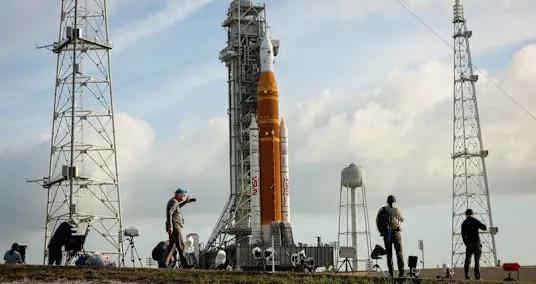
- NASA counts down for first crewed lunar mission in half a century
- Bother Control Administrations for 2024: Decide for Your Home
- 2025 among world's three hottest years on record, WMO says
- A Manual for the Right SUV for Seniors
- Poll: Most are satisfied with their health insurance, but a quarter report denials or delays
- Nutrient Rich Organic products: Lift Your Wellbeing
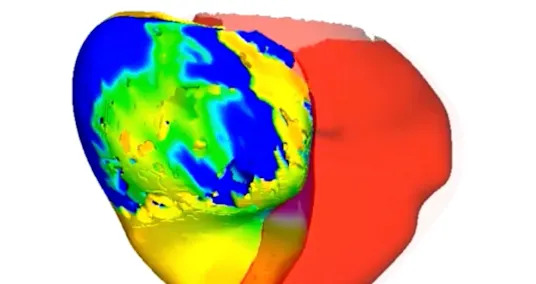
- To fix a patient's irregular heartbeat, doctors first tested its digital 'twin'